
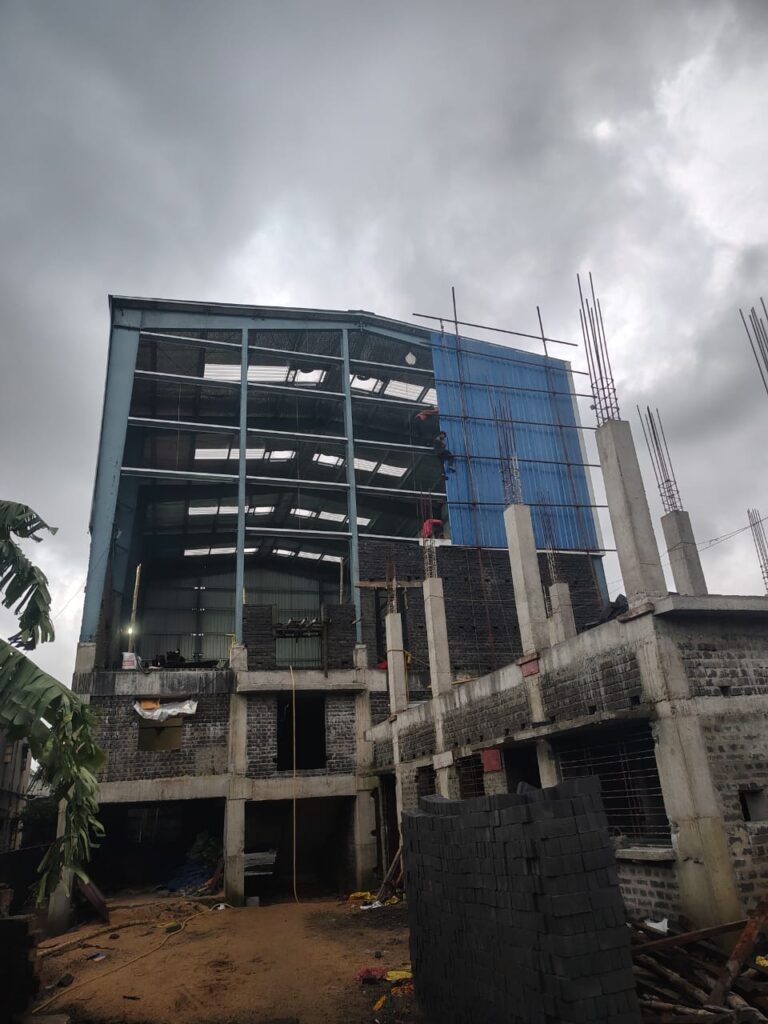
Pre-engineered buildings (PEBs) have revolutionized the construction industry with their speed, cost-efficiency, and structural flexibility. At the heart of every PEB project lies a critical yet often overlooked component—PEB covering design. This element not only provides protection from environmental conditions but also plays a vital role in thermal insulation, architectural appeal, and structural integrity.
In this blog, we’ll explore what PEB covering design is, why it matters, and how to choose the best covering solution for your project.
🔧 What Is PEB Covering Design?
PEB covering design refers to the planning and selection of materials and structural elements used to enclose a pre-engineered building. This includes the roof sheeting, wall cladding, insulation systems, gutter design, and even aesthetic elements like color and texture.
A well-designed covering system ensures:
- Protection from weather (rain, wind, snow, UV rays)
- Proper drainage and ventilation
- Thermal and sound insulation
- Structural longevity and safety
- Enhanced visual appeal
🏗️ Key Components of PEB Covering Design
1. Roof Sheeting
The roof is the first line of defense. Most PEBs use high-tensile galvanized steel or color-coated sheets. Design decisions depend on:
- Roof slope and span
- Wind loads
- Snow loads (if applicable)
- Drainage considerations
Popular options: Trapezoidal profiles, standing seam roofs
2. Wall Cladding
Wall covering adds strength and defines the look of the building. It may use:
- Single skin metal sheeting
- Insulated sandwich panels
- ACP (Aluminum Composite Panels) for commercial appeal
3. Insulation Layer
For climate control and energy efficiency, PEB coverings often integrate:
- Glass wool
- Rock wool
- PUF panels
- Reflective foil insulation
This improves interior comfort and reduces HVAC costs.
4. Flashing, Gutters & Downspouts
These are essential for directing water flow away from the building and preventing leakage. Proper design avoids corrosion, staining, and mold buildup.
🎯 Why PEB Covering Design Matters
An efficient PEB covering design enhances the overall performance, longevity, and cost-efficiency of a structure. Here’s why it’s so crucial:
- Weather Protection: Durable coverings withstand harsh elements.
- Energy Efficiency: Insulated panels reduce heating and cooling costs.
- Structural Support: Adds stiffness and strength to the PEB frame.
- Aesthetics: Modern designs offer sleek, industrial looks or custom finishes.
- Compliance: Meets local building codes and environmental standards.
🏢 Applications of PEB Covering Systems
- Warehouses
- Industrial sheds
- Manufacturing plants
- Aircraft hangars
- Commercial outlets
- Agricultural storage buildings
Each application requires a unique approach to covering based on its usage and environmental conditions.
✔️ Best Practices in PEB Covering Design
- Use corrosion-resistant materials in coastal or chemical zones.
- Integrate thermal breaks to prevent condensation.
- Ensure proper ventilation in roof design to manage humidity.
- Choose colors with high solar reflectance in hot climates.
- Work with certified manufacturers and experienced PEB engineers.
🧩 Customizing Your PEB Covering Design
Modern PEB systems are highly customizable. You can tailor:
- Sheet thickness (usually between 0.4mm to 0.7mm)
- Panel color and coating type (PVDF, polyester)
- Panel profile shapes and finishes
- Insulation type and thickness
- Skylights and louvers for natural lighting
This flexibility allows you to design a building that is not only functional but also brand-aligned and visually appealing.
PEB covering design is more than just a shell—it’s a critical aspect of building performance, sustainability, and longevity. Whether you’re constructing a warehouse, workshop, or retail space, investing in high-quality, well-thought-out covering systems ensures your structure is protected, efficient, and future-ready.
Looking to optimize your next project with innovative PEB covering design? Contact our expert team today for customized solutions tailored to your needs.